The Oil Patch Dust Factor: How Permian Basin Sand Destroys Your HVAC System
How Permian Basin Sand Destroys Your HVAC System in Midland, TX
In Midland and Odessa, we don’t just have "dust"—we have the Permian Basin factor. If you’ve lived here through a single spring windstorm, you know that fine, reddish-brown silt that finds its way into every crevice of your home.
While it’s a nuisance for your furniture, it is a silent killer for your air conditioning system. In the heart of the Oil Patch, HVAC units face environmental stressors that systems in other parts of the country simply don't encounter.
Table of Contents
- The Science of Scouring: Why Permian Sand is Different
- How Dust Leads to Mechanical Failure
- The Indoor Air Quality (IAQ) Crisis
- Proactive Protection for West Texas Homeowners
- When to Call the Pros
The Science of Scouring: Why Permian Sand is Different
The dust in West Texas isn’t just dirt; it’s a high-velocity abrasive. Composed largely of silica and fine minerals kicked up by both nature and heavy industrial activity, this "Oil Patch Dust" acts like sandpaper on the moving parts of your AC unit.
When the wind picks up, these microscopic particles are pulled directly into your outdoor condenser unit. Unlike soft household dust, this grit is sharp and heavy, leading to accelerated wear and tear that can shave years off your system’s lifespan.
How Dust Leads to Mechanical Failure
Your HVAC system relies on two things to keep you cool: airflow and lubrication. Permian Basin sand attacks both.
1. Suffocating the Condenser Coils
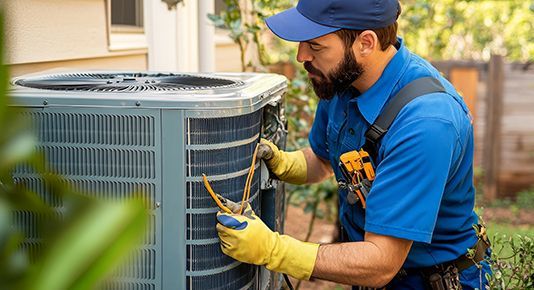
The outdoor unit (the condenser) needs to "breathe" to release the heat pulled from your home. Sand and silt pack into the delicate aluminum fins of the coils, creating a literal wall. This forces your compressor to work twice as hard to reject heat, leading to skyrocketing energy bills and eventual motor burnout.
2. Friction in the Fan Motor
The bearings in your condenser fan are sealed, but they aren't invincible. Over time, the fine silt works its way into the motor housing. This creates friction, which generates heat. If you hear a grinding or screeching noise during a Midland summer, the "dust factor" has likely already claimed your motor bearings.
3. Evaporator Coil "Mud"
If your indoor air filter isn't high-quality or isn't changed frequently, dust reaches the indoor evaporator coil. When this dust meets the natural condensation (moisture) on the coil, it turns into a thick, gray mud. This blocks airflow entirely and can cause your system to freeze up—ironically leaving you hot in 100°F weather.
The Indoor Air Quality (IAQ) Crisis
It isn't just about the machine; it’s about the people inside. According to recent environmental studies, particulate matter in high-dust regions like the Permian Basin can contribute to increased respiratory issues.
When your HVAC system is coated in dust, it begins to circulate those particles through your ductwork. You may notice:
- An increase in allergy or asthma symptoms.
- A fine layer of dust on surfaces just hours after cleaning.
- A "musty" or "earthy" smell when the air kicks on.
Proactive Protection for West Texas Homeowners
You can’t stop the wind from blowing in Midland, but you can prevent it from destroying your investment.
- Upgrade Your Filters: Use a MERV 11 or MERV 13 rated filter. These are designed to catch the finer silt particles common in the Oil Patch without restricting airflow too severely.
- Establish a "Clear Zone": Keep the area around your outdoor unit clear of weeds and loose dirt. Consider a gravel or cement base to minimize the amount of local dust the fan sucks in.
- Monthly Visual Inspections: After a major dust storm, take a garden hose (on low pressure!) and gently rinse the outdoor coils. Note: Never use a power washer, as this will bend the fins and ruin the unit.
The Importance of Professional Maintenance
In most parts of the country, a "yearly tune-up" is a suggestion. In Midland, it is a necessity. Because of the extreme sediment levels, a professional cleaning involves more than just a quick brush-off.
At First Service Plumbing, Heating and Air Conditioning, our specialized "Oil Patch Tune-Up" includes deep-cleaning the coils with industry-grade solutions that break down the mineral deposits unique to our soil. We also check electrical components that can be compromised by heat-trapping dust.
Pro Tip: In the Permian Basin, HVAC systems typically last 10-12 years, whereas they may last 15-20 elsewhere. Regular maintenance is the only way to bridge that gap.
Keep Your Cool in the Permian Basin
Don't let West Texas weather dictate your home comfort. If your AC is struggling to keep up or you’ve noticed an influx of dust in your home, it’s time for a professional deep clean.
Ready to protect your system?
Contact First Service Plumbing, Heating and Air Conditioning today to schedule your precision AC tune-up and keep the dust out of your ducts!